MIND Equine Performance Series  ·  Guide One  ·  Soundness

You've spent thousands finding out nothing is broken.

X-rays, ultrasound, and MRIs are excellent at finding real damage — and that always comes first. But the vast majority of "we can't find anything" cases aren't hiding an injury at all. They're a horse working incorrectly. Guide One shows you how to tell which one you're dealing with, and how correcting it is also your best insurance against a real injury ever happening.

Instant PDF download  ·  17 pages  ·  Read in an afternoon, use for years
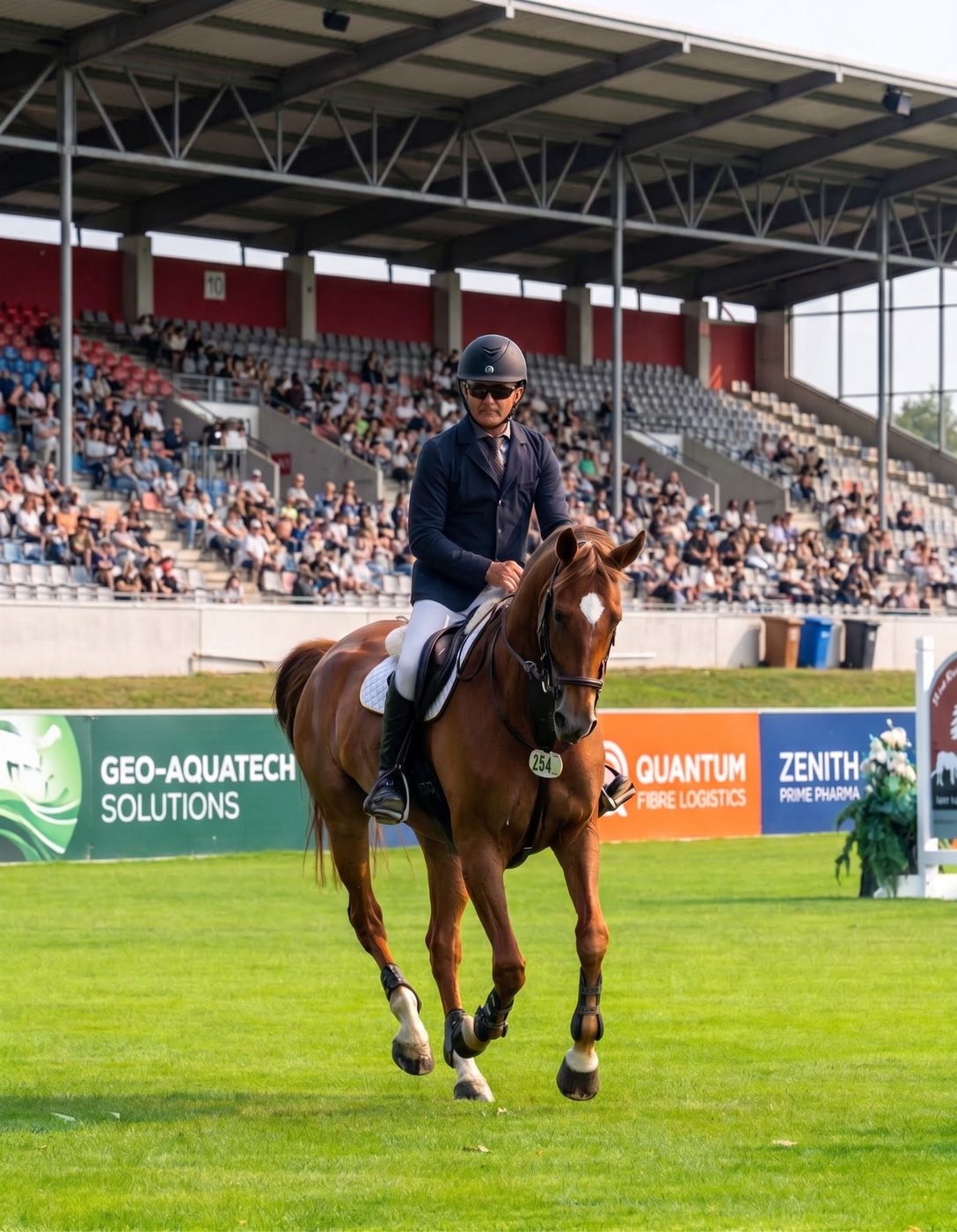
Rider and horse cantering, from the MIND Equine Performance Series cover
The Maintenance Trap

A five-year-old on a joint injection schedule has become normal. It shouldn't be.

Across hunter, jumper, dressage, and eventing barns alike, young horses are routinely put on intra-articular injections and anti-inflammatory regimens just to stay "sound" in ordinary work. The injections do relieve the pain — that part is real. What they don't do is touch the reason the joint needed relief in the first place.

In the vast majority of cases, that reason isn't hidden damage. It's a horse working hollow, inverted, and short through the stride — mechanical strain that mimics true structural lameness closely enough to fool an X-ray, and expensively enough to fool an owner's bank account.

Guide One is the diagnostic and the fix: how to tell postural strain from real injury, and the exact conditioning protocol that resolves the former without a single needle.

Developed by Master Trainer & Developer

Fifty years, one method, no injections.

Decades of developing showjumping horses from first steps to CSI-level competition, built entirely on classical conditioning — never a routine joint injection.

50+
Years developing horses from groundwork to CSI level
25+
Chronically lame horses returned to full soundness — no injections, no medication
2
Mares, 20 and 18 years old, still competing sound and never injected — one jumping 1.50m
Seventeen Pages  ·  Seven Chapters

What's inside Guide One

  1. 01
    Executive Summary & The Maintenance Trap
    Why routine joint injections became normalized — and what they mask
  2. 02
    Diagnostic Comparison Matrix
    Tell a training problem from a real injury in minutes, not months
  3. 03
    The Biomechanical Cascade of Hollow Movement
    How an inverted frame quietly turns into permanent joint damage
  4. 04
    The 4-Step Diagnostic Protocol for Owners
    A practical routine to run before calling the vet
  5. 05
    The 10-Minute Active Walk Rehabilitative Routine
    The exact warm-up protocol, and the physiology behind why it works
  6. 06
    About the Author & The MIND Methodology
    Fifty years of developing sound athletes without the needle
  7. 07
    Common Questions & Pushback
    Honest answers to the doubts this approach naturally raises
Who this guide is for

Owners and riders who want to understand why a horse is sore before reaching for a needle — and who are willing to correct posture and conditioning rather than simply manage symptoms.

This is not a replacement for veterinary care in an acute injury or emergency. If a horse is suddenly and severely lame, call your vet first. Guide One is built for the far more common case: chronic, low-grade stiffness that's already been cleared of acute injury and labelled "just needs maintenance."

Guide One  ·  Available Now

Get Soundness

Guide One is the first release in a six-part series. Buy it alone, or plan ahead for the full library.

Guide One
$27
This guide, instant download
Get Guide One
Best value
All 6 Guides
$97
$16 per guide — the complete MIND Equine Performance Series
Reserve the Full Series

Guides 2–6 are in development and will ship over the coming months. Multi-guide purchases are reserved at today's price and delivered as each guide releases.

Before You Ask

Common questions

My vet recommended maintenance injections. Are you saying my vet is wrong?
Not at all. Your vet is responding to the symptoms in front of them, and injections genuinely do relieve pain. The question this guide asks is different: what's causing the joint to need relief in the first place? Use this guide alongside your vet's judgment, not instead of it.
My horse has already been X-rayed, scanned, and blocked. Doesn't that rule out posture as the cause?
Imaging is excellent at finding structural damage. It isn't designed to find postural strain, because postural strain often doesn't show up on a scan at all — which is exactly why so many owners spend heavily on diagnostics and still leave without an answer.
Isn't this risky? What if I'm wrong and it really is an injury?
That's the right question, and it's why Chapter Four's protocol exists. If a horse responds to correct work, that's meaningful information. If a horse is acutely or severely lame regardless of what you do, that's a call-the-vet situation, not a work-through-it one.
How long before I see a difference?
Most chronically stiff or low-grade lame horses show a noticeable change within a few weeks of correct work, with full resolution for many taking around three months.